Project
MEDICAL SYSTEMS & CARE JOURNEYS
Client
Alfried Krupp Krankenhaus
Category
[Background]
[Featured]
Year
2009 - 2011
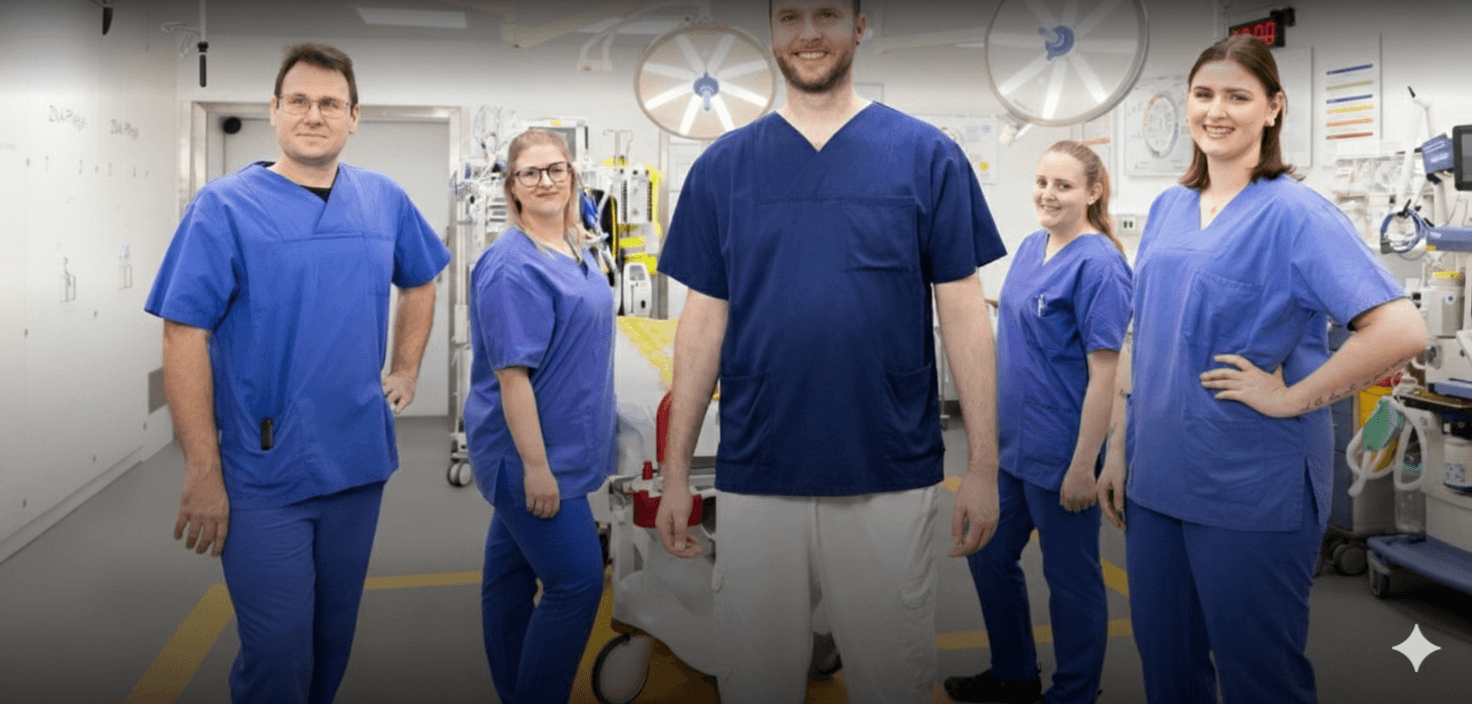
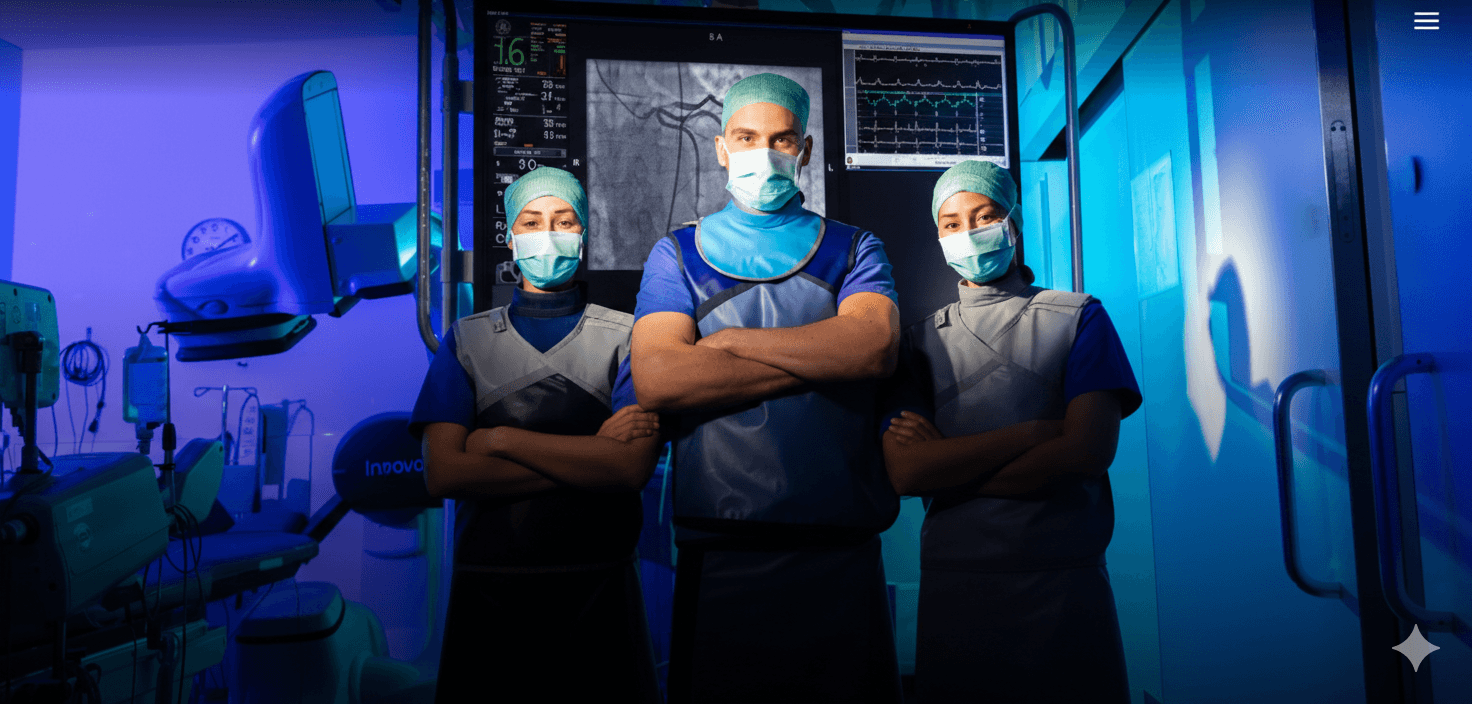
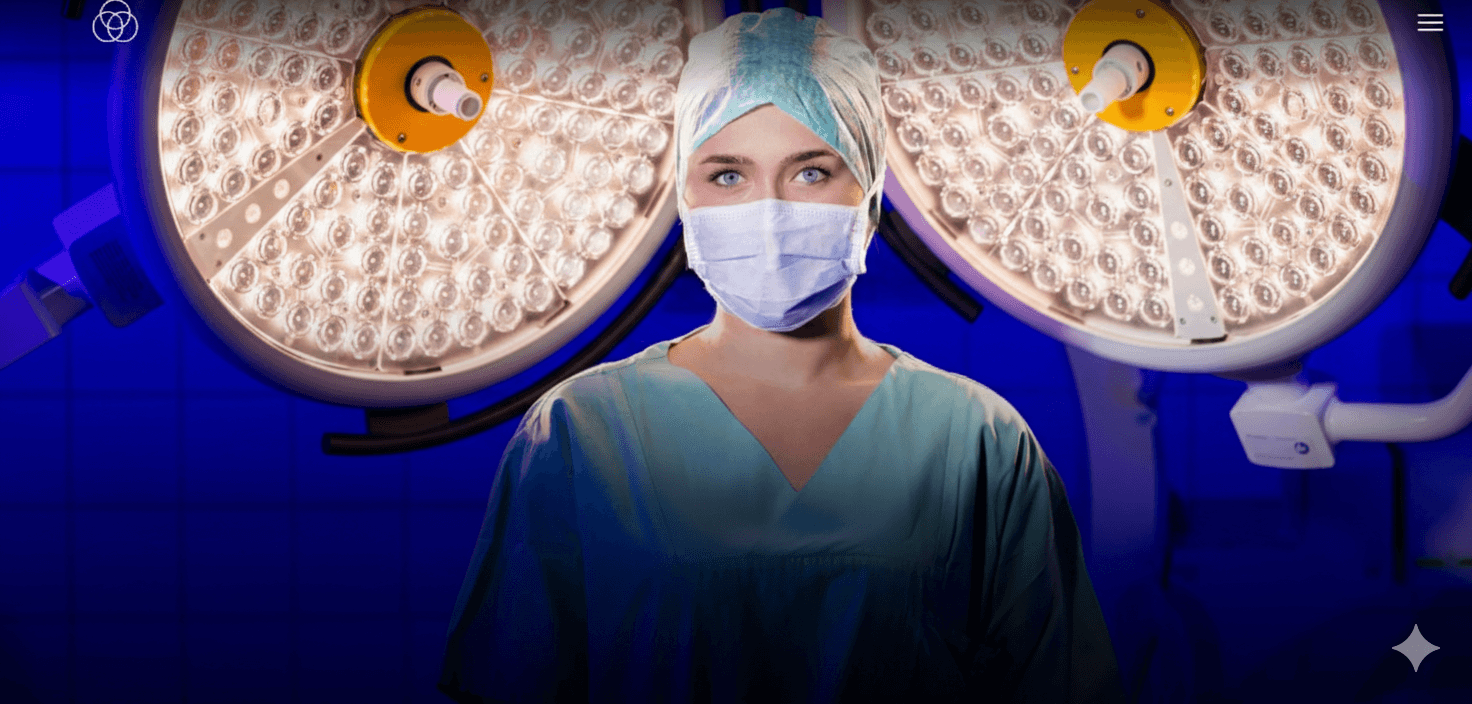
ALFRIED KRUPP KRANKENHAUS PROJECT: Clinical Foundation ORGANISATION: Alfried Krupp Krankenhaus CATEGORY: Healthcare | Nursing | Foundation YEAR: 2009 - 2011 THIS IS NOT A CASE STUDY. THIS IS AN ORIGIN STORY. Four hospitals. Six years inside healthcare. Not observing it from the outside — living it. Three-year nursing certification at Catholic Clinics Oberhausen. Not a course — a full clinical qualification. State-certified Gesundheits- und Krankenpfleger. Straight out of certification: three months anesthesiology at EKO. Then two semesters pre-clinical medicine at Philipps-Universität Marburg — I interrupted anesthesiology to pursue medical school. Returned to clinical practice when I realized design was where I could create systemic impact beyond individual patient care. At Alfried Krupp Krankenhaus — a 900-bed academic teaching hospital in Essen — I worked as a qualified nursing assistant alongside my design studies at Folkwang. Part-time, mostly weekends. Nearly every nursing department including ICU and stroke unit. After Krupp, a short ICU stint at Ruhrlandklinik. Six years. Four institutions. Same stakes everywhere. Completely different systems. At Krupp, coordination was fluid — handoffs worked, information moved, teams read each other. Elsewhere, gaps appeared. What looked like individual failure usually traced back to something structural: information that did not move between shifts, assumptions that went unchecked, knowledge that lived in one person's head and disappeared when they went home. I did not have the vocabulary for it then. I do now. Those were organizational blind spots. And learning to see them at 22, in a setting where the consequences were immediate and physical, trained an instinct that has never switched off. THE WORK Basic and treatment nursing care with documentation. Targeted patient observation — Krankenbeobachtung — the disciplined practice of watching a patient's condition and recording what is actually happening, not what you expect to see. Executing medical directives. Preparing, assisting with, and providing aftercare for diagnostic and therapeutic procedures. Nothing glamorous. Everything consequential. In a hospital, incomplete observation means missed symptoms. Imprecise documentation means risk that transfers silently to the next shift. Every single shift was practice in systematic attention — the kind that does not allow you to confuse what you assume with what you see. WHAT THIS TRAINED INTO ME Observe before you intervene. On the ICU and stroke unit, you watch vital signs and behavior before you act. You do not walk into a room and start treating based on what the chart says. You look at the patient. You read what is actually happening right now. That instinct — verify before you move — is the same one I bring into every organization I enter. I do not arrive with a transformation plan. I arrive with questions. I watch. I immerse. Only then do I act. Document what is actually happening. Clinical documentation has legal weight. You write what you observed, not what you interpreted. Not what you expected. Not what would make the narrative cleaner. That discipline transferred directly into how I document research findings and insight reports. If it is not observed and recorded, it does not exist as evidence. Work with incomplete information. You never have the full picture in a hospital. A patient arrives mid-shift, handoff notes are thin, the previous team is gone. You make the best decision with what is available, then adjust as new information arrives. This is exactly how organizational diagnostics works. You will never have perfect data. The skill is knowing when you have enough to act — and having the discipline to keep observing after you do. Read the system, not just the symptom. A patient's pain might be post-surgical recovery. Or it might be something the previous shift missed. Or it might be a reaction to a medication change two days ago that nobody connected. Understanding where information breaks down between people — between shifts, between departments, between what one team assumes and another team knows — became central to how I see organizational problems. The symptom is never the whole story. The system that produced it is. WHY THIS IS THE FIRST PAGE Most researchers come from psychology, HCI, or sociology. I came from a hospital bed at 5am, documenting vital signs with one hand and holding an IV stand with the other. That is not a metaphor I borrowed from healthcare to make my portfolio sound interesting. That is where I was trained to see. Every method I use, every diagnostic instinct I bring into an organization, every time I insist on observing before intervening — it started here. In rooms where getting it wrong meant harm. Where the quality of your attention was not a professional preference. It was a responsibility. I have never found a context since where the stakes felt higher. But I have found that the discipline transfers everywhere. And I have never met another design researcher who learned it this way.
ALFRIED KRUPP KRANKENHAUS PROJECT: Clinical Foundation ORGANISATION: Alfried Krupp Krankenhaus CATEGORY: Healthcare | Nursing | Foundation YEAR: 2009 - 2011 THIS IS NOT A CASE STUDY. THIS IS AN ORIGIN STORY. Four hospitals. Six years inside healthcare. Not observing it from the outside — living it. Three-year nursing certification at KKO. Full clinical qualification. Three months anesthesiology. Two semesters pre-clinical medicine at Marburg. Then qualified nursing assistant at Alfried Krupp Krankenhaus — 900-bed academic teaching hospital, nearly every department including ICU and stroke unit. Six years. Four institutions. Same stakes. Completely different systems. What looked like individual failure usually traced back to something structural — information that did not move, assumptions unchecked, knowledge that disappeared when someone went home. I did not have the vocabulary then. I do now. Those were organizational blind spots. THE WORK Basic and treatment nursing. Targeted patient observation — Krankenbeobachtung. Executing medical directives. Diagnostic and therapeutic procedure support. Nothing glamorous. Everything consequential. Every shift was practice in systematic attention — the kind that does not allow you to confuse what you assume with what you see. WHAT THIS TRAINED INTO ME Observe before you intervene. I do not arrive at organizations with a transformation plan. I arrive with questions. Document what is actually happening. Not what you interpreted. Not what would make the narrative cleaner. If it is not observed and recorded, it does not exist as evidence. Work with incomplete information. You never have the full picture. The skill is knowing when you have enough to act — and continuing to observe after you do. Read the system, not just the symptom. Understanding where information breaks down between people became central to how I see organizational problems. WHY THIS IS THE FIRST PAGE Most researchers come from psychology, HCI, or sociology. I came from a hospital bed at 5am, documenting vital signs with one hand and holding an IV stand with the other. That is not a metaphor. That is where I was trained to see. I have never met another design researcher who learned it this way.
ALFRIED KRUPP KRANKENHAUS PROJECT: Clinical Origins ORGANISATION: Alfried Krupp Krankenhaus CATEGORY: Healthcare Foundation | [Foundation] [System] | YEAR: 2009 - 2011 ORIGIN STORY Four hospitals. Six years. Not observing healthcare — living it. Full nursing certification. Anesthesiology. Pre-clinical medicine. ICU. Stroke unit. 900-bed academic teaching hospital. Nearly every department. WHAT IT TRAINED Observe before intervening. Document what actually happened, not what you expected. Work with incomplete information. Read the system, not just the symptom. WHY THIS IS FIRST Most researchers come from psychology or HCI. I came from a hospital bed at 5am. That is not a metaphor. That is where I was trained to see.
Credits
Credits
IMAGES SOURCED FROM KRUPP'S PUBLIC CLIENT COMMUNICATIONS, PRESS MATERIALS, AND INSTITUTIONAL PHOTOGRAPHY.ALL RIGHTS REMAIN WITH THEIR RESPECTIVE OWNERS.USED HERE FOR CONTEXTUAL AND ILLUSTRATIVE PURPOSES ONLY.