Project
Research Formation & Education
Client
Folkwang University (VDID)
Category
[Background]
[Featured]
Year
2010 - 2016
FOLKWANG UNIVERSITY OF THE ARTS · VDID PROJECT: Research Formation & Education ORGANISATION: Folkwang University of the Arts · VDID CATEGORY: Education | Design Research | Foundation YEAR: 2010 – 2016 WHERE THE THINKING WAS FORMED Folkwang University of the Arts was founded in the Bauhaus tradition — the conviction that dissolving boundaries between disciplines produces people who think differently. Art, design, music, theater, and science under one roof. Not as parallel tracks. As a single intellectual environment where the boundaries between making, thinking, and performing were deliberately collapsed. That tradition shaped everything about how I was trained. Not as a specialist in one method. As someone who moves across domains and sees connections that specialists miss. The Bauhaus principle was never just about aesthetics. It was about producing people capable of working at the intersection of things that most institutions keep separate. Folkwang took that seriously. So did I. Six years. BA Industrial Design. And the formation that runs underneath everything I have done since. THE HASSENZAHL FORMATION But the real education was Marc Hassenzahl. One of the world's leading UX researchers. Creator of many frameworks — and instruments that made experiential quality measurable. Author of foundational texts on experience design. His core principle, the one that rewired how I think: experience first, then product. He taught me that research is not about gathering data. It is about framing questions precisely enough that the answers become actionable. Distinguish between what people say and what they do. Build for experience, not features. Understand that the quality of the question determines the value of everything that follows. My BA thesis, supervised by Hassenzahl, focused on doctor-patient communication — examining how communication systems shape healthcare outcomes. It brought my nursing background full circle. The same observation skills I had developed across four hospitals and six years of clinical work, now applied through a formal research methodology. Healthcare gave me the instinct. Hassenzahl gave me the framework. The thesis was where they fused. WHAT FOLKWANG ACTUALLY WAS The Bauhaus model was not just philosophical. It was structural. Folkwang's program was fully autonomous — no hand-holding, no predefined path. You had to make your own mark every day. The integrated curriculum ran across Folkwang, Bergische Universität Wuppertal, and TH Köln. I deliberately studied approaches at Umeå Design and FH Joanneum. Not because I was required to. Because the Bauhaus instinct — cross boundaries, absorb what other traditions know — was already operational. And Folkwang did not keep industry at arm's length. While completing my degree, I participated in university-industry collaborations with Mercedes-Benz on three separate occasions — invited back repeatedly, starting from my second semester as one of the youngest participants. Audi for design language analysis and strategy. KISKA for an intensive week on product creation from brand and user insight. These were university projects. But with real NDAs, real access to headquarters, and real deliverables. They gave me direct exposure to how major organizations think about design strategy, product development, and the gap between intended and actual user experience. I did not wait for industry to come to the university. I went and got it. That pattern — building the bridge rather than waiting for one — repeated at VDID and has repeated in every role since. WHAT STAYED Hassenzahl's influence shows up in how I approach every project. Frame the question before gathering data. Distinguish between stated and observed behavior. Build for experience, not features. Research should change how organizations see — not just what they know. The Bauhaus inheritance shows up in something harder to name. The refusal to stay inside one discipline. The instinct to connect what others keep separate. The belief that the most valuable thinking happens at intersections — between healthcare and design, between customer experience and organizational systems, between what people say and what they actually do. Folkwang gave me the language and the rigor. Healthcare gave me the stakes. The Bauhaus tradition gave me permission to move across boundaries without apology. The combination became the foundation for everything I have done since. BEYOND THE STUDIO: VDID From 2013 to 2016, I served as Student Representative for VDID — the Verband Deutscher Industrie Designer, Germany's professional association for industrial designers — at Folkwang University. I did not wait for the industry to come to the university. I went and got it. I was the bridge between VDID and Folkwang. Represented the association at the university and communicated its goals to students. Recruited new members. Visited design fairs across Germany, bringing students along and connecting them with the professional design community. Met firms at fairs and invited them to collaborate on projects with Folkwang — an early version of the industry-university partnerships that defined my education. Maintained regular contact with VDID regional leaders, delegates, and the national office in Berlin. Co-organized events at the university — lectures, Werkstattgespräche, professional development formats. Three years of building something connective. Not a product. Not a study. A functioning link between a professional community and a university. It was my first experience creating infrastructure that served a community larger than myself — the same instinct that later drove everything I built at Grau.
FOLKWANG UNIVERSITY (VDID) PROJECT: Research Education ORGANISATION: Folkwang University of the Arts (VDID) CATEGORY: Research Formation | [Foundation] [Method] | Trained under Marc Hassenzahl in research practice YEAR: 2010 – 2016 WHERE THE THINKING WAS FORMED Folkwang University of the Arts — founded in the Bauhaus tradition. Art, design, music, theater, and science under one roof. Not as parallel tracks. As a single environment where the boundaries between making, thinking, and performing were deliberately collapsed. That tradition shaped how I was trained: not as a specialist, but as someone who moves across domains and sees connections that specialists miss. Six years. BA Industrial Design. And the formation that runs underneath everything since. THE HASSENZAHL FORMATION The real education was Marc Hassenzahl. Creator of the AttrakDiff framework. His core principle: experience first, then product. He taught me that research is not about gathering data — it is about framing questions precisely enough that the answers become actionable. My BA thesis, supervised by Hassenzahl, focused on doctor-patient communication. It brought my nursing background full circle. Healthcare gave me the instinct. Hassenzahl gave me the framework. The thesis was where they fused. WHAT FOLKWANG ACTUALLY WAS The Bauhaus model was structural, not just philosophical. Fully autonomous program — no predefined path. Integrated curriculum across Folkwang, Wuppertal, and TH Köln. I deliberately studied approaches at Umeå Design and FH Joanneum because the Bauhaus instinct — cross boundaries, absorb what other traditions know — was already operational. University-industry collaborations with Mercedes-Benz (three projects, invited back repeatedly from my second semester), Audi (design language and strategy), KISKA (product creation from brand and user insight). University projects — but with real NDAs, real access, and real deliverables. WHAT STAYED Frame the question before gathering data. Distinguish between stated and observed behavior. Build for experience, not features. Research should change how organizations see — not just what they know. The Bauhaus inheritance: the refusal to stay inside one discipline. The instinct to connect what others keep separate. Folkwang gave me language and rigor. Healthcare gave me stakes. The Bauhaus tradition gave me permission to move across boundaries without apology. VDID Student Representative for VDID at Folkwang, 2013–2016. Bridge between the professional association and the university. Visited design fairs across Germany, connected students with industry, co-organized events, maintained contact with VDID's national network. Three years building something connective — my first experience creating infrastructure that served a community larger than myself.
FOLKWANG UNIVERSITY (VDID) PROJECT: Research Education ORGANISATION: Folkwang University of the Arts (VDID) CATEGORY: Research Formation | [Foundation] [Method] | Trained under Marc Hassenzahl in research practice YEAR: 2010 – 2016 WHERE THE THINKING WAS FORMED Folkwang. Founded in the Bauhaus tradition — dissolving boundaries between disciplines to produce people who think across them. Six years. BA Industrial Design. The formation underneath everything since. HASSENZAHL Marc Hassenzahl. AttrakDiff framework. Experience first, then product. Research is not about gathering data — it is about framing questions precisely enough that answers become actionable. BA thesis on doctor-patient communication. Healthcare gave me the instinct. Hassenzahl gave me the framework. The thesis fused them. WHAT FOLKWANG WAS Autonomous. No predefined path. Curriculum across three universities. Industry collaborations with Mercedes-Benz (three projects), Audi, KISKA. University projects with real NDAs and real deliverables. WHAT STAYED Frame the question first. Distinguish stated from observed behavior. Build for experience. The Bauhaus inheritance: the refusal to stay in one discipline. Permission to cross boundaries without apology. VDID Student Representative, 2013–2016. Bridge between professional association and university. Fairs, events, industry connections. First experience building infrastructure that served a community larger than myself.
Credits
Credits
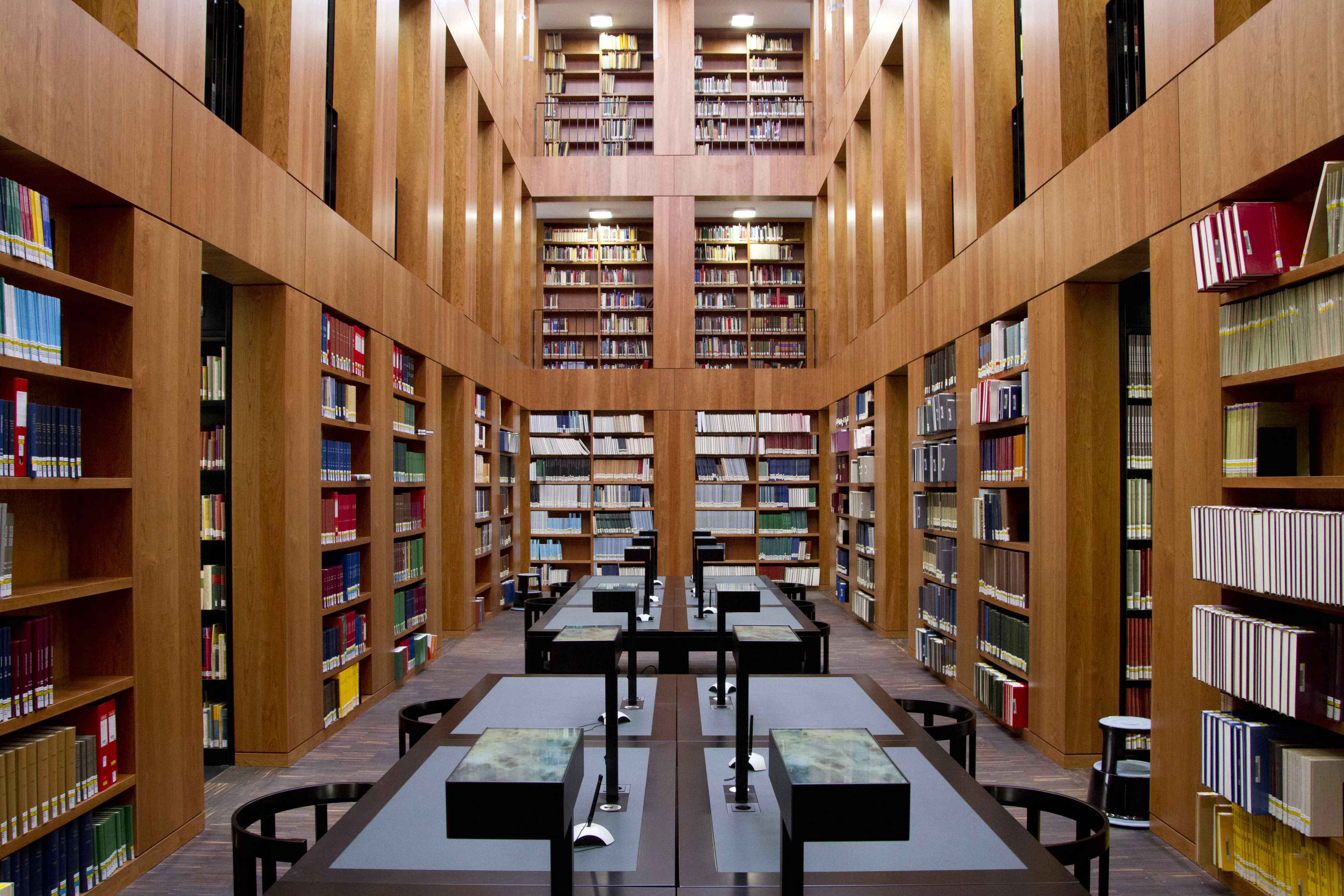
IMAGES SOURCED FROM FOLKWANG UNIVERSITY OF THE ARTS AND VDID PUBLIC CLIENT COMMUNICATIONS, PRESS MATERIALS, AND INSTITUTIONAL PHOTOGRAPHY.ALL RIGHTS REMAIN WITH THEIR RESPECTIVE OWNERS.USED HERE FOR CONTEXTUAL AND ILLUSTRATIVE PURPOSES ONLY.