Project
Customer Experience Transformation
Client
Grau
Category
[Featured]
Year
2018 - 2022

# GRAU PROJECT: Customer Experience & Operational Transformation ORGANISATION: Grau GmbH CATEGORY: Customer Experience Transformation | [Featured] [System] YEAR: 2018 – 2022 WHERE I PROVED IT WORKS Four years inside a luxury lighting manufacturer — through COVID crisis and a generational leadership transition. Not consulting. Not advising. Building. I walked into an organization that made exceptional products but couldn't see itself clearly. ## THE TENSION I FOUND Grau was design-led, respected, growing. But internally, the same problems kept appearing under different names. Sales blamed service. Service blamed logistics. Everyone was working hard. Nobody could see the whole picture. Processes functioned through experience and intuition — institutional knowledge that lived in people's heads, not shared systems. When someone left, understanding left with them. I had seen this pattern before. In hospitals, I learned to diagnose before prescribing. In spatial design at URW, I had watched the gap between design intent and actual behavior play out at scale. Confidence at the local level masking uncertainty at the system level. That diagnostic instinct — understand the system before you intervene — saved months of misdirected effort here. WHAT I ACTUALLY DID I didn't arrive with a transformation plan. I arrived with questions. First, I immersed. Worked the processes. Listened to customer calls. Read the documentation. Used the tools. Became part of the system I was trying to understand. Then I started watching differently. Where did assumptions replace data? Where did teams optimize locally while breaking things globally? Where did the same friction keep appearing? I mapped customer journeys across B2B and B2C — not the idealized version, but actual entry points, response quality, follow-up gaps, resolution times. I built communication channels, feedback mechanisms, and support tools that made the customer voice visible across departments. I developed the New Light Performance Framework. Built inventory management processes and resource optimization protocols. Defined objectives for core business activities. Took responsibility for planning, controlling, and managing all operational processes within the retail division — including large-scale projects with time-critical subprojects. I facilitated cross-functional training programs focused on team development and collaboration. Not to sell solutions. To make the invisible visible. Teams saw their own system for the first time — and started fixing what they could finally see. THE TURNING POINT About a year in, something shifted. The conversation moved from "what is broken?" to something closer to "what would this company look like if we designed it deliberately?" I cannot point to a single meeting where that happened. It was gradual — grounded in shared observations rather than abstractions. But once teams had a common picture of what was actually happening, the questions they asked changed. And that changed everything. What followed wasn't a single transformation. It was accumulated change: a new website, a restructured sales organization, digital collaboration across HQ, satellite offices, stores, and web presence. Visual merchandising and marketing execution. Customer relationships managed across Germany and EU markets, B2B and B2C. Solutions developed for exclusive client requirements. The company grew substantially during my tenure. Not from a single initiative — from compounding change across every customer-facing function. The product portfolio evolved more slowly. Intentionally. The surrounding systems needed to stabilize first. WHAT I LEARNED What I learned at Grau wasn't how to execute better. It was how organizations learn. And how making the invisible visible unlocks change that lasts. I stayed four years — my longest anywhere — because the problem space never stopped expanding. Generational transition, COVID, B2B restructuring, digital transformation — each wave required rebuilding what I had just built. The day the problem space stops growing is the day I start leaving. At Grau, that day never came. Detailed commercial and structural impact metrics reserved for live case study presentation.
# GRAU PROJECT: Customer Experience & Operational Transformation ORGANISATION: Grau GmbH YEAR: 2018 – 2022 WHERE I PROVED IT WORKS Four years inside a luxury lighting manufacturer — through COVID crisis and a generational leadership transition. Not consulting. Not advising. Building. THE TENSION I FOUND Grau was design-led, respected, growing. But internally, the same problems kept appearing under different names. Sales blamed service. Service blamed logistics. Everyone was working hard. Nobody could see the whole picture. Processes lived in people's heads, not shared systems. When someone left, understanding left with them. I had seen this pattern before — in hospitals, in spatial design at URW. Confidence at the local level masking uncertainty at the system level. That diagnostic instinct saved months of misdirected effort here. WHAT I ACTUALLY DID I didn't arrive with a transformation plan. I arrived with questions. First I immersed — worked the processes, listened to customer calls, used the tools. Became part of the system I was trying to understand. I mapped customer journeys across B2B and B2C — actual entry points, response quality, follow-up gaps, resolution times. Built communication channels, feedback mechanisms, and support tools that made the customer voice visible across departments. Developed the New Light Performance Framework. Built inventory management and resource optimization protocols. Took responsibility for all operational processes within retail. I facilitated cross-functional training programs. Not to sell solutions. To make the invisible visible. Teams saw their own system for the first time — and started fixing what they could finally see. THE TURNING POINT About a year in, the conversation shifted from "what is broken?" to something closer to "what would this company look like if we designed it deliberately?" I cannot point to a single meeting where that happened. It was gradual. But once teams had a common picture, the questions changed. And that changed everything. What followed was accumulated change: new website, restructured sales, digital collaboration across HQ, satellite offices, stores. The company grew substantially during my tenure — not from a single initiative, but from compounding change. WHAT I LEARNED How organizations learn. And how making the invisible visible unlocks change that lasts. I stayed four years because the problem space never stopped expanding. At Grau, that day never came. Detailed commercial and structural impact metrics reserved for live case study presentation.
GRAU Customer Experience & Operational Transformation Grau GmbH · 2018 – 2022 WHERE I PROVED IT WORKS Four years. Luxury lighting. COVID crisis. Generational leadership transition. Not consulting — building. THE TENSION Exceptional products. No shared picture of how the organization actually worked. Sales blamed service. Service blamed logistics. Knowledge lived in heads, not systems. WHAT I DID Arrived with questions, not a plan. Immersed first — worked the processes, listened to calls, used the tools. Mapped real customer journeys across B2B and B2C. Built feedback mechanisms and support tools. Developed the New Light Performance Framework. Took responsibility for all operational processes within retail. Facilitated cross-functional training. Teams saw their own system for the first time — and started fixing what they could see. THE SHIFT A year in, the conversation changed from "what is broken?" to "what would this look like if we designed it deliberately?" Accumulated change followed. The company grew substantially. WHAT I LEARNED How organizations learn. Making the invisible visible unlocks change that lasts. Metrics available on request.
Credits
Credits
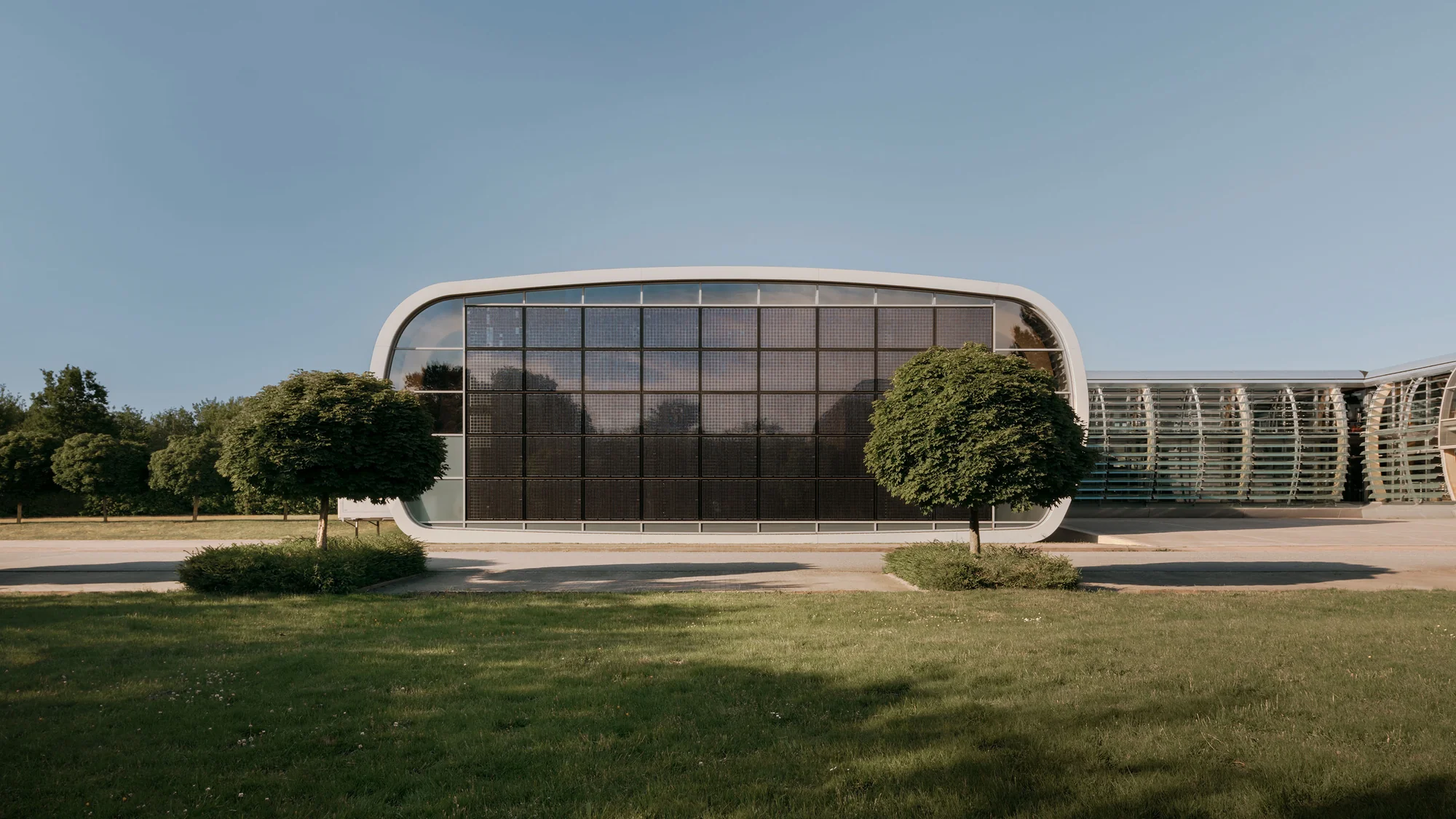
IMAGES SOURCED FROM GRAU'S PUBLIC CLIENT COMMUNICATIONS, PRESS MATERIALS, AND INSTITUTIONAL PHOTOGRAPHY.ALL RIGHTS REMAIN WITH THEIR RESPECTIVE OWNERS.USED HERE FOR CONTEXTUAL AND ILLUSTRATIVE PURPOSES ONLY.